Find the perfect embroidered hoodie fabric: GSM, fleece, cotton, and blends for ultimate comfort! Get a Free Quote today! Embroidered Hood...
Find the perfect embroidered hoodie fabric: GSM, fleece, cotton, and blends for ultimate comfort! Get a Free Quote today!
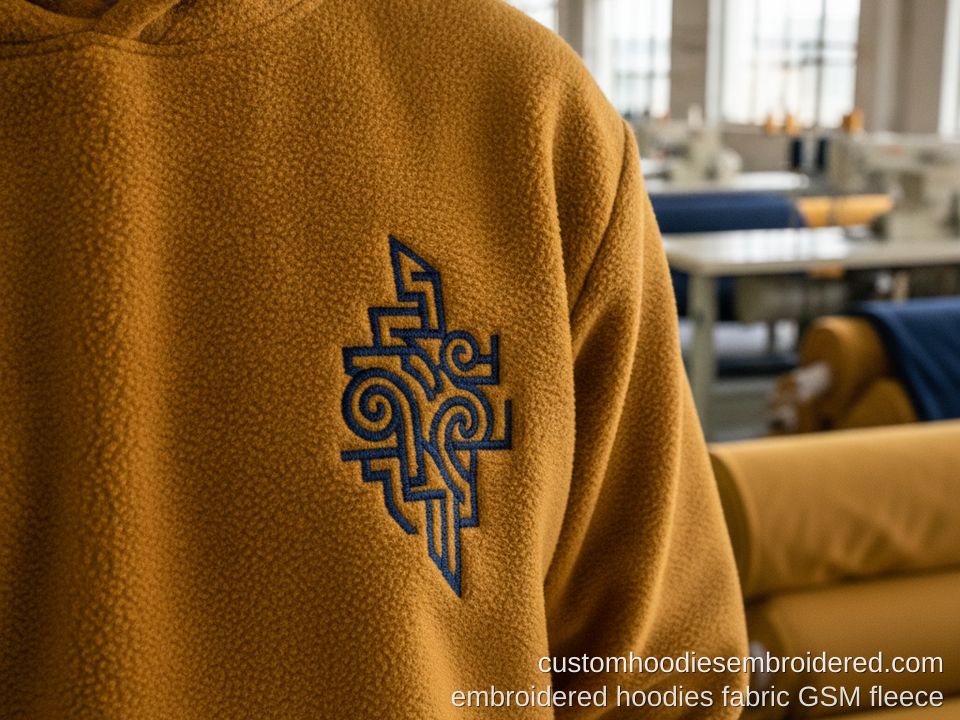
Embroidered Hoodies Fabric Guide: GSM, Fleece Types, Cotton & Performance Blends
Selecting the right fabric is paramount when sourcing custom embroidered hoodies for your brand. The feel, drape, durability, and even the visual impact of your embroidery are directly influenced by the materials used. Understanding fabric weights, specifically GSM (Grams per Square Meter), and different types of fleece and cotton blends is crucial for making informed decisions. This comprehensive guide will demystify these elements, helping you choose the perfect fabric for your next production run of embroidered hoodies fabric GSM fleece.
At Custom Hoodies Embroidered, operated by Gold Garment in Ho Chi Minh City, Vietnam, we understand that fabric choice is a significant factor in delivering quality apparel. Our commitment to factory-direct pricing and a flexible MOQ of 100 pcs allows businesses of all sizes to access premium materials. We take pride in our meticulous approach to sourcing, ensuring each fabric meets our high standards for comfort, longevity, and suitability for intricate embroidery, as shown by how Gold Garment selects materials.
This guide focuses on the core components of hoodie fabrics, from the fundamental concept of GSM to the popular fleece and cotton varieties. Whether you're a seasoned brand owner or new to private label apparel, this information will equip you to communicate effectively with manufacturers and ensure your custom hoodies exceed expectations. We aim to simplify the complex world of textile specifications so you can confidently order your next batch of high-quality embroidered hoodies fabric GSM fleece.
Understanding Fabric Weight: The Importance of GSM
GSM (Grams per Square Meter) is the standard international unit for measuring fabric density and weight. It indicates how much a square meter of fabric weighs. For hoodies, GSM is a critical indicator of its thickness, warmth, and overall quality. A higher GSM generally means a heavier, denser, and warmer fabric, while a lower GSM suggests a lighter, more breathable material.
Understanding GSM is essential for achieving the desired feel and function for your custom embroidered hoodies. For instance, lighter GSM fabrics are ideal for transitional weather or layering, offering breathability without excessive bulk. Conversely, heavier GSM fabrics provide superior warmth and a more substantial feel, perfect for colder climates or a premium, luxurious aesthetic. This knowledge is a cornerstone of any effective hoodie GSM guide.
Common GSM Ranges for Hoodies
The range of GSM for hoodies can vary significantly, but generally falls into these categories:
- Lightweight (180-240 GSM): These are ideal for warmer climates or as a base layer. They are breathable and comfortable, often used for promotional items or lighter activewear.
- Midweight (250-320 GSM): This is the most common and versatile range for everyday hoodies. They offer a good balance of warmth, comfort, and durability, suitable for a wide variety of applications.
- Heavyweight (330+ GSM): These fabrics are exceptionally warm, durable, and have a substantial feel. They are perfect for premium, winter-ready hoodies and often provide a superior canvas for detailed embroidery.
The chosen GSM will directly impact the cost of your custom embroidered hoodies. Higher GSM fabrics require more material, thus increasing the per-unit price. However, they also offer a perceived higher quality and better performance, which can justify the investment for premium brands. As explained in our embroidered hoodies MOQ Guide, understanding material costs is key to budgeting your production runs.
Exploring Fleece Types for Your Embroidered Hoodies
Fleece is a ubiquitous fabric for hoodies, prized for its softness, warmth, and insulating properties. It's typically made from polyester, though cotton or wool can also be used. The way fleece is processed significantly impacts its texture, weight, and performance. When discussing embroidered hoodies fabric GSM fleece, understanding these variations is key.
The most common types of fleece used in hoodie manufacturing are:
1. Standard Fleece (French Terry)
French Terry is a knitted fabric that features loops on one side and a smooth surface on the other. It's lighter and more breathable than brushed fleece, making it an excellent choice for year-round wear or milder climates. The looped interior provides a comfortable, slightly textured feel against the skin without being overly warm or bulky.
This type of fleece is incredibly versatile for embroidery. The smooth outer surface allows for clean, crisp stitching, ensuring your designs stand out. Its breathability also makes it a popular choice for activewear brands looking for comfortable yet stylish performance fabric hoodies Vietnam.
2. Brushed Fleece (Fleece-Lined)
Brushed fleece, often referred to as fleece-lined or simply fleece, undergoes a process where the fabric's inner surface is brushed to create a fuzzy, soft texture. This brushing raises the fibers, trapping air and significantly increasing its warmth and insulating capabilities. It offers that classic cozy feel that many associate with hoodies.
While incredibly warm and comfortable, the brushed interior can sometimes present challenges for very fine or intricate embroidery designs. The raised fibers can slightly obscure the detail. However, for most standard logos and graphics, brushed fleece provides an excellent base, offering a luxurious feel that customers love. The weight of brushed fleece typically falls into the midweight to heavyweight GSM categories.
3. Anti-Pill Fleece
A common issue with fleece is pilling – the formation of small balls of fiber on the fabric's surface after washing and wear. Anti-pill fleece is treated during the manufacturing process to resist this. This treatment ensures that the hoodie maintains its smooth appearance and quality over time, offering greater longevity and a more professional look.
For brands prioritizing durability and a consistently high-quality appearance, anti-pill fleece is a superior choice. It ensures that your embroidered designs remain prominent and the garment itself continues to look new, even after repeated use. This feature is particularly valuable for corporate apparel or merchandise that sees frequent wear. This commitment to fabric quality is evident in projects undertaken by the Gold Garment hoodie manufacturer Vietnam.
Cotton vs. Polyester vs. Blends: The Fabric Debate
The debate between cotton, polyester, and their various blends is fundamental in apparel manufacturing. Each offers distinct properties that affect the look, feel, performance, and care requirements of your custom embroidered hoodies.
1. 100% Cotton
Cotton is a natural fiber known for its softness, breathability, and hypoallergenic properties. 100% cotton hoodies offer excellent comfort and are generally easy to care for. They are a popular choice for their natural feel and ability to absorb moisture, making them comfortable in moderate temperatures.
However, 100% cotton can be prone to shrinking and wrinkling if not cared for properly. It can also absorb a significant amount of moisture, which might not be ideal for high-intensity athletic activities where quick drying is preferred. The embroidery on 100% cotton can be very crisp and defined. This is a classic choice for many seeking fleece vs cotton embroidered hoodies.
2. 100% Polyester
Polyester is a synthetic fiber renowned for its durability, wrinkle resistance, and moisture-wicking capabilities. Polyester hoodies tend to be lightweight, quick-drying, and resistant to stretching and shrinking. This makes them an excellent choice for activewear and outdoor apparel.
While polyester offers excellent performance, it can sometimes feel less breathable and soft compared to cotton. Its synthetic nature can also lead to static cling. For embroidery, polyester generally holds stitches well, but very fine details might appear slightly less sharp than on cotton. Polyester blends are often used to achieve specific performance characteristics.
3. Cotton-Polyester Blends
Cotton-polyester blends are the most common type of fabric for hoodies, offering a balance of the best properties from both fibers. The ratio of cotton to polyester can be adjusted to achieve specific outcomes. Common blends include 50/50, 60/40, and 80/20 (cotton/poly).
A typical blend, like 80% cotton and 20% polyester, provides the softness and breathability of cotton with the durability, wrinkle resistance, and quick-drying qualities of polyester. These blends are highly versatile, comfortable for everyday wear, and perform well for active use. They also offer a stable base for embroidery, making them a top choice for many brands. Learn more about the manufacturing process in our article on How embroidered hoodies Are Made: Complete Manufacturing Process Step-by-Step.
Performance Fabric Blends for Activewear
For brands focusing on athletic apparel or active lifestyles, performance fabric blends are essential. These are engineered to enhance comfort and functionality during physical activity, making them ideal for custom embroidered hoodies intended for sports, gyms, or outdoor adventures.
Key features of performance fabric blends include:
- Moisture-Wicking: Fabrics designed to draw sweat away from the body to the fabric's surface, where it can evaporate quickly, keeping the wearer dry and comfortable.
- Breathability: Allowing air to circulate freely, preventing overheating and promoting ventilation.
- Stretch and Recovery: Incorporating materials like spandex or elastane to provide freedom of movement and ensure the fabric returns to its original shape after stretching.
- Durability: Withstanding the rigors of frequent washing and intense physical activity.
These blends often incorporate advanced synthetic fibers or specialized treatments to achieve their performance characteristics. When ordering performance fabric hoodies Vietnam, specifying these technical requirements is crucial. Manufacturers like Gold Garment, based in Ho Chi Minh City, have extensive experience with these specialized materials and can guide you in selecting the best options for your target market and product goals.
Making the Right Choice for Your Brand
When deciding on the fabric for your custom embroidered hoodies, consider the following:
- Target Audience: Who will be wearing these hoodies? Are they for casual wear, athletic activities, corporate events, or promotional giveaways?
- Climate: Will the hoodies be worn in a cold, warm, or temperate climate? This will influence the GSM and type of fabric needed.
- Brand Image: Do you want a luxurious, casual, athletic, or eco-friendly brand image? Fabric choice plays a significant role in conveying this.
- Embroidery Design: The complexity and size of your embroidery design might be better suited to certain fabric types.
- Budget: Higher GSM fabrics and specialized blends will generally come at a higher cost.
At Custom Hoodies Embroidered, we offer a wide range of fabric options to meet diverse needs. Our factory-direct pricing and MOQ of 100 pcs make it accessible for businesses to produce high-quality, custom-branded apparel. We work with clients worldwide, including the USA, Europe, Australia, and Southeast Asia, providing expert guidance from material selection to final production. Understanding the nuances of embroidered hoodies fabric GSM fleece is just the first step in creating a successful product line.
Frequently Asked Questions
Q: What is the ideal GSM for a year-round hoodie?
A: For a hoodie suitable for year-round wear, a midweight GSM range of 250-320 is generally ideal. This weight offers enough warmth for cooler days without being too heavy for milder temperatures, providing a good balance of comfort and versatility.
Q: How does fabric choice affect embroidery quality?
A: The fabric's weave, thickness, and surface texture significantly impact embroidery. Smoother, denser fabrics like tightly woven cotton or certain polyester blends provide a stable and even surface for stitches, resulting in sharper, more defined embroidery. Looser weaves or highly textured fabrics like brushed fleece might require adjustments to the embroidery design or technique to prevent the stitches from sinking too deep or appearing fuzzy.
Q: Are performance fabric hoodies suitable for everyday wear?
A: Yes, performance fabric hoodies can be excellent for everyday wear, especially for individuals with active lifestyles or those who value comfort and breathability. While engineered for athletic performance, their moisture-wicking and quick-drying properties also make them comfortable for daily activities and transitional weather.
Q: What is the advantage of factory-direct pricing from Vietnam?
A: Factory-direct pricing, like that offered by Gold Garment in Ho Chi Minh City, Vietnam, eliminates intermediaries, leading to significant cost savings for buyers. It also allows for direct communication and greater control over the production process, ensuring quality and adherence to specifications. This model is particularly beneficial for bulk orders of custom apparel.
Choosing the right fabric for your custom embroidered hoodies is a critical step in ensuring quality and customer satisfaction.
Explore our full range of manufacturing services and discover how we can bring your apparel vision to life.
📩 Request a Free Quote — Response Within 5 Minutes
🌎 Website: customhoodiesembroidered.com
Factory-direct pricing · MOQ from 100 pcs/style · Sample development · Worldwide shipping


COMMENTS